
The role of water in the body’s systems and preventing dehydration in elders.

Fluid in the Balance: Hydration and Nutrition Recommendations for Older Adults
read more
The role of water in the body’s systems and preventing dehydration in elders.
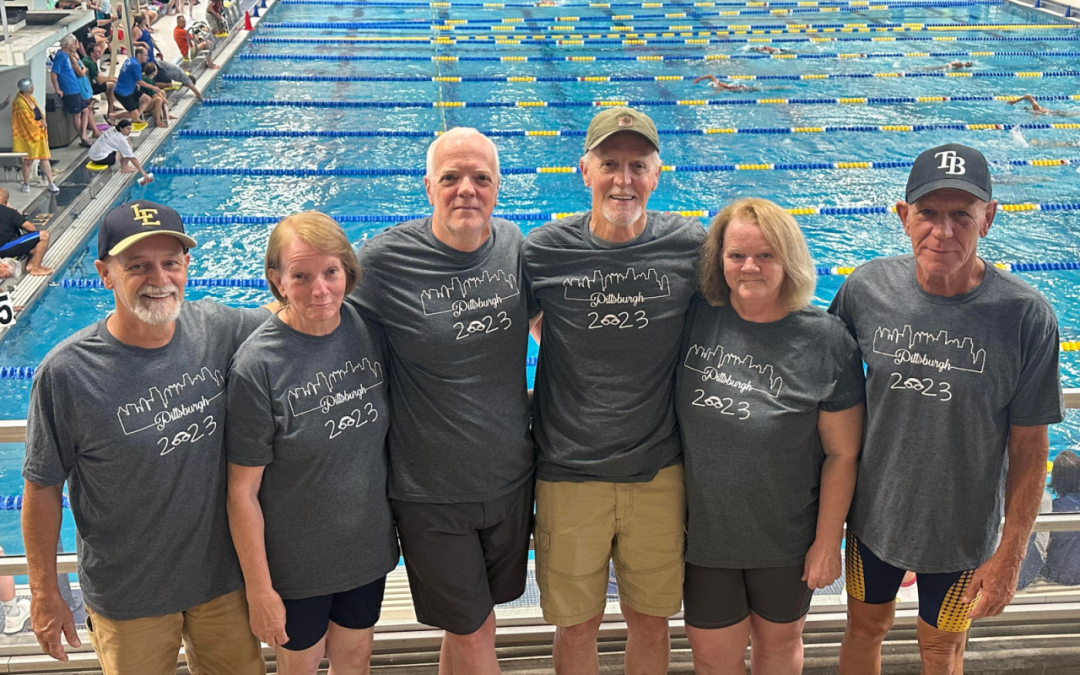
Six brothers and two sisters find the National Senior Games and take home some hardware.

Passion for Zumba nets deep personal connections with older adults.

How appreciation of an ancient practice evolved across age.

When to throw in the towel on a rec sports team, or is it never?

Mental health through endurance racing.

Cataloging the many benefits to getting outside and moving, especially for elders.
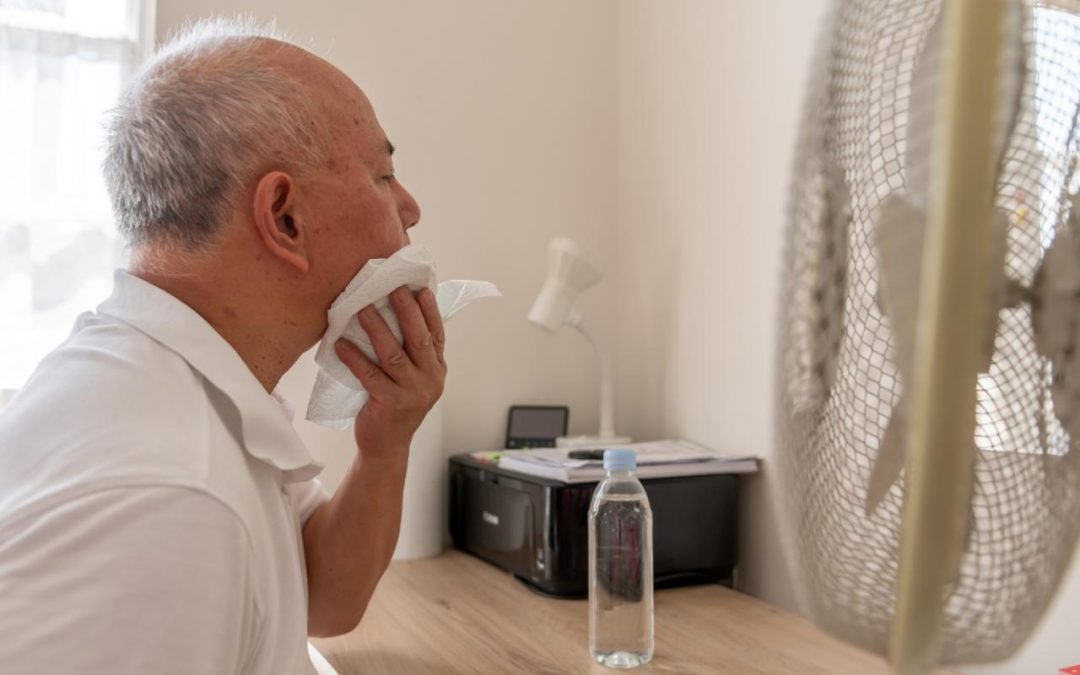
With vital FEMA monies states and tribes can deploy multiple infrastructure upgrades to ward off heat effects.

Remembering to take medications is an inexact science at best—a new study weighs in on how to ensure it happens.

Resources abound for adult children who become default caregivers for their parents, but what about older parents who become the default safety net for adult children?

States are using MPAs to address older adult behavioral health.

A survey of various states’ data-collection initiatives, outcomes, and opportunities.
The intersection of eldercare improvement and performance measurement will be a fertile arena for research, including how best to develop and present the metrics and which improvement activities work well.

How to adopt a culture of evaluation to better design and deliver programs.

Why we need more research on what kind of dementia care works, how, and for whom, to make a difference in the real-world.

Two experts on why applied research could mean a much better way to age.
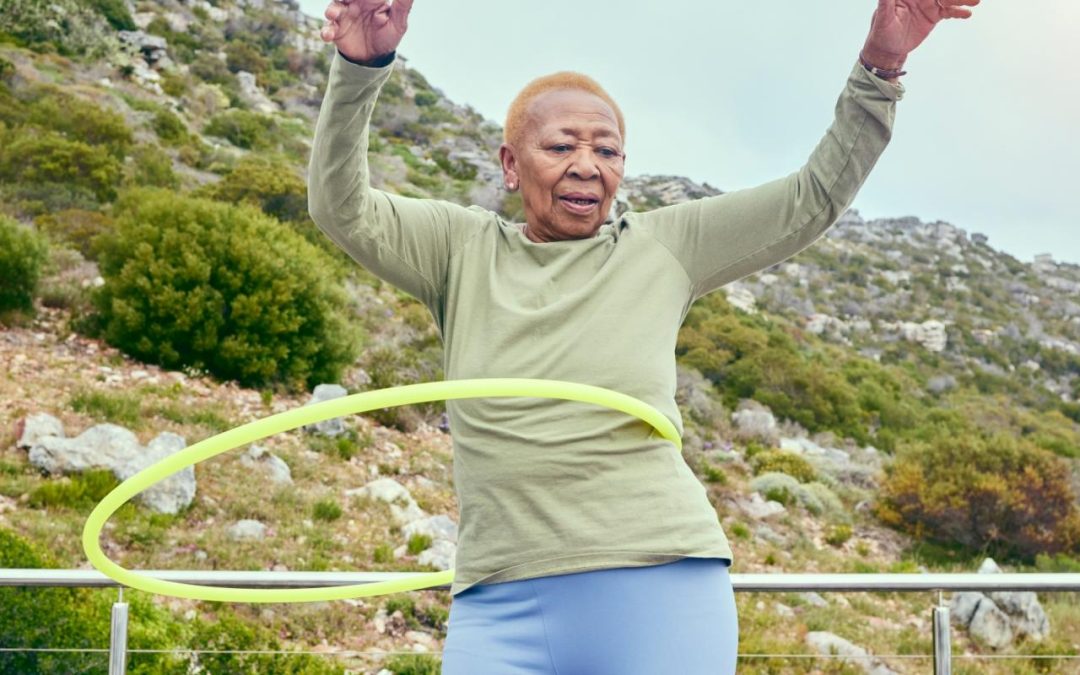
‘Evidence-based programs are a critical part of understanding what works, for whom, and under which circumstances.’
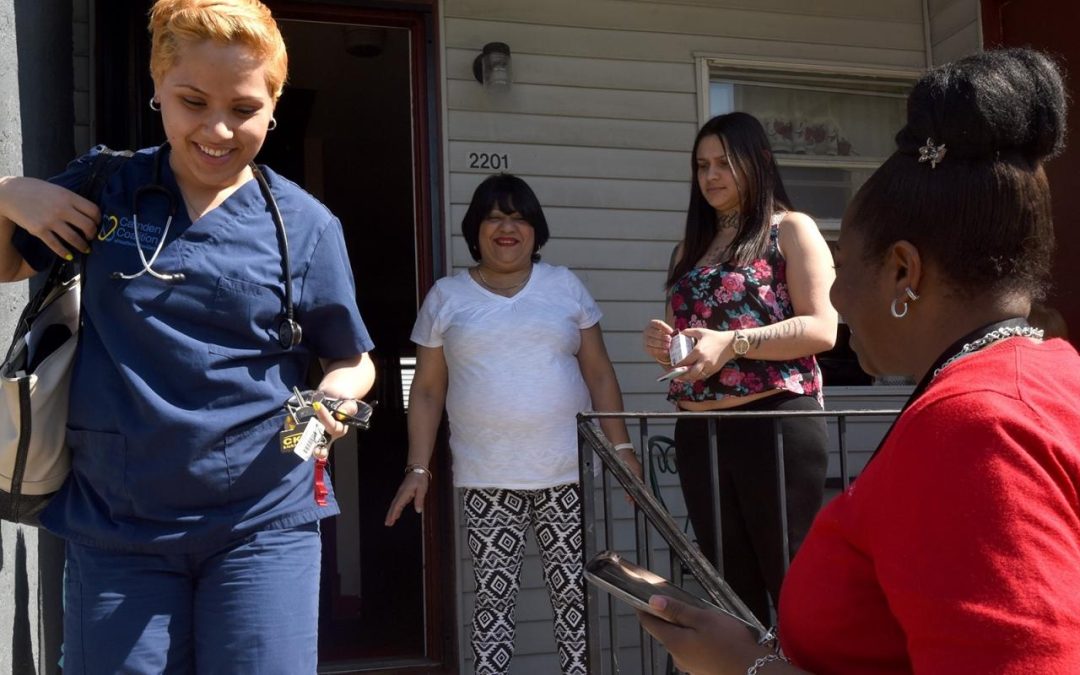
Perspectives gained from collaborative research endeavors.
The roles data and research play in getting elders the care they need, with a spotlight on Medicare Advantage and social care.

The frailty care crisis remains invisible to most people Americans, but collaboration between agencies should draw attention to it and foster interventions.