Reimbursement policies, cross-state licensure, and medical training will all need alteration for tech to have the desired impact on late life mental health.
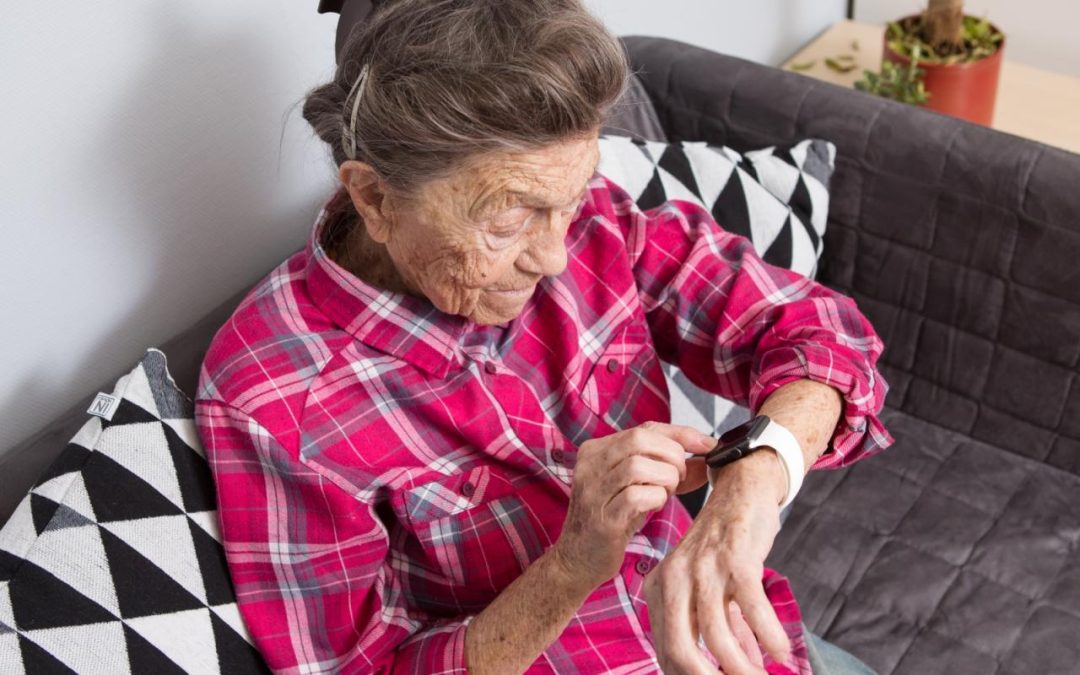
Digital Mental Health for Older Adults: Foe or Friend?
read more
Reimbursement policies, cross-state licensure, and medical training will all need alteration for tech to have the desired impact on late life mental health.

Addressing needs of undocumented immigrants, those with serious mental illness, and those with intellectual disabilities.
Highly effective therapy for victims of crime and elder abuse reduces depression.
Non-licensed individuals delivering specific mental health help can be effective for elders, particularly in areas with a dearth of licensed mental health providers.
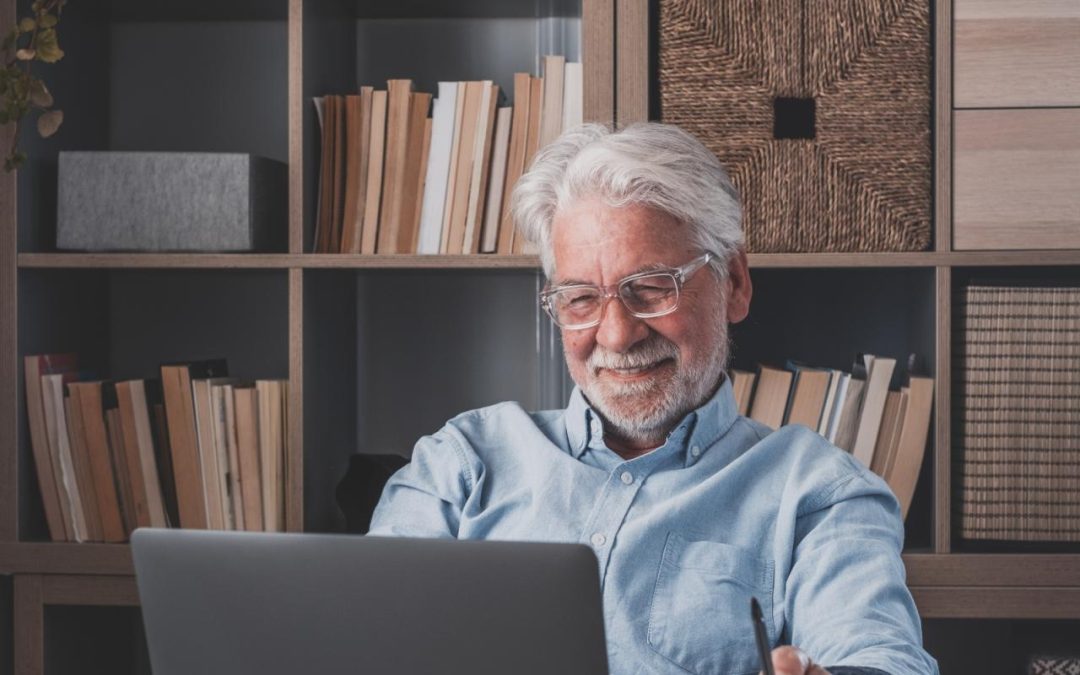
Multiple strategies will be needed to empower older adults to seek and accept mental health services and supports when they need them.

Geriatric mental health expert Tobi Abramson will never stop pushing the growth narrative.

Elder-led community model fosters older adults’ mental health and resilience.
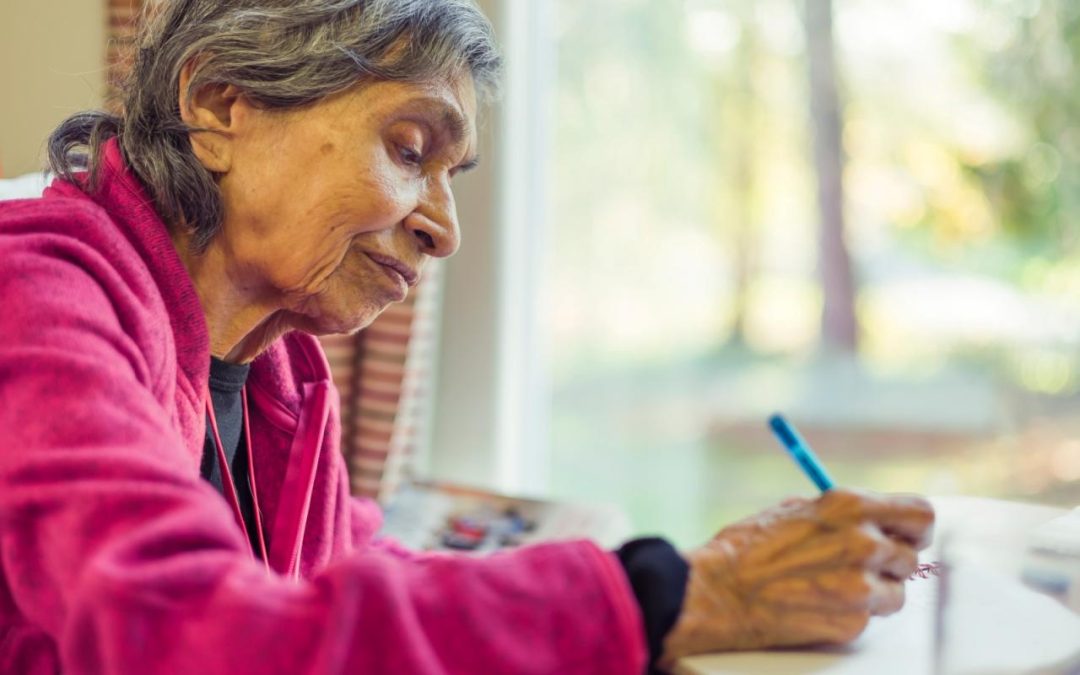
An experience of being assessed.

Exploring the many facets of the Post-Traumatic Growth concept and how it affects older adults.

Creative expression programming with mindfulness and social learning components can help ameliorate loneliness, and AI and VR may increase uptake

‘The more important recovery is to the person, the more likely they will remember the skills learned in the recovery process.’

Increasingly, research demonstrates the deleterious effects of internal and external ageism.

Our Guest Editor details why elders’ mental health is a crucial topic, and how we must reframe it.
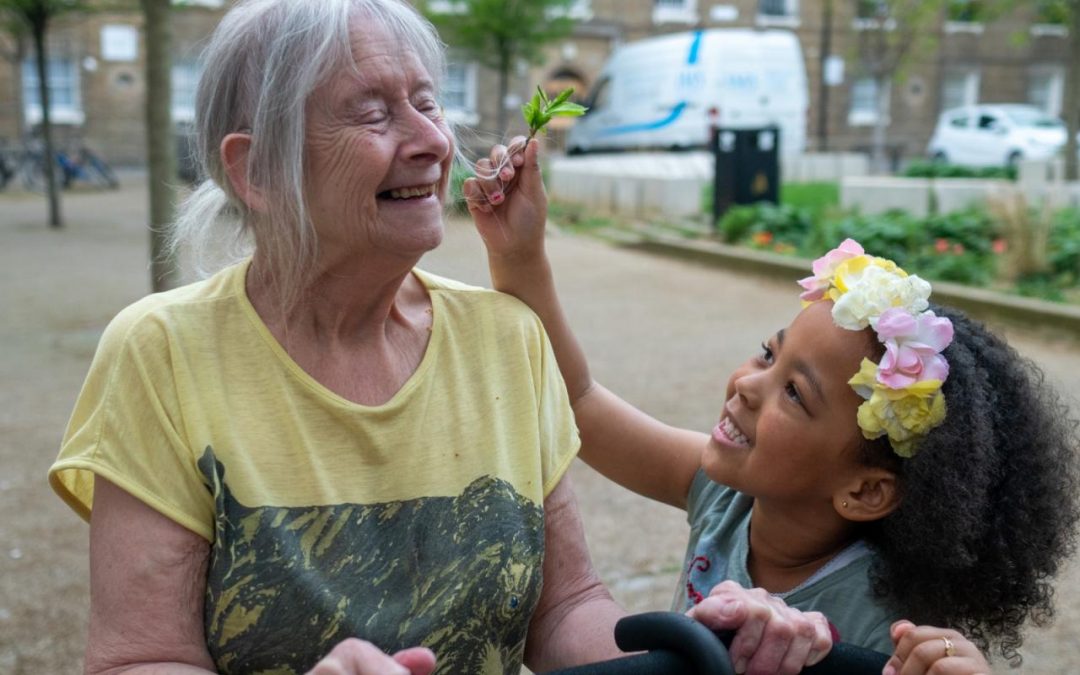
Grandparents raising grandchildren is increasingly common in the U.S. and this type of housing provides a cohesive solution to a complex issue.
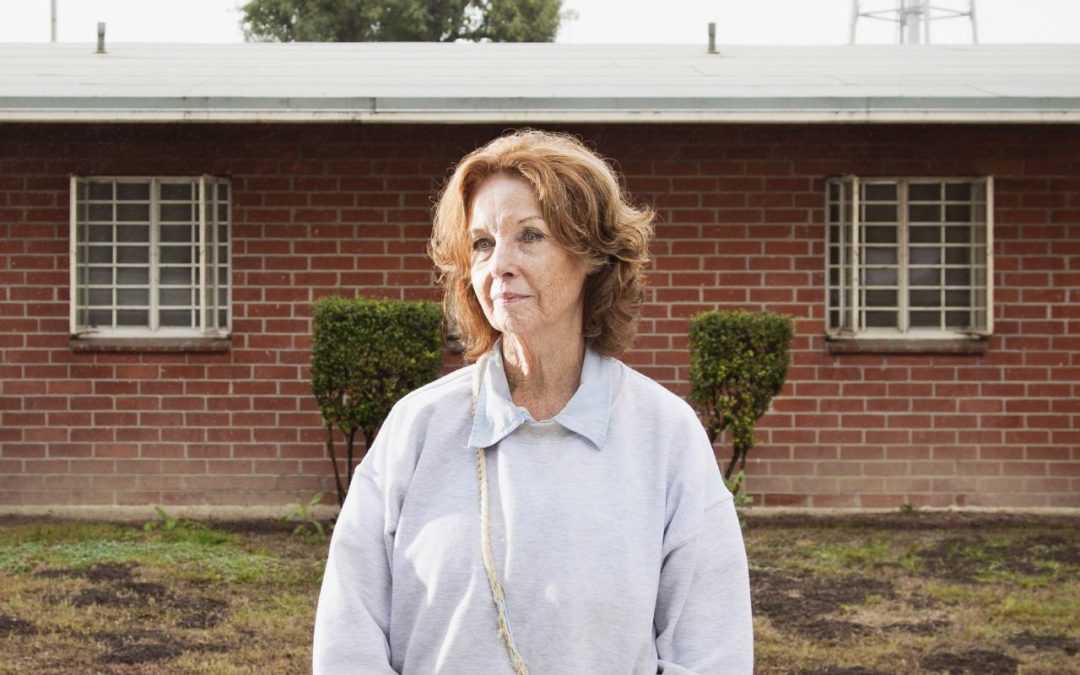
‘Older adults in California prisons, including those with chronic (but not totally disabling) illnesses are mandated to work every day.’

More than half of U.S. states are developing plans, but nutrition needs to be included.
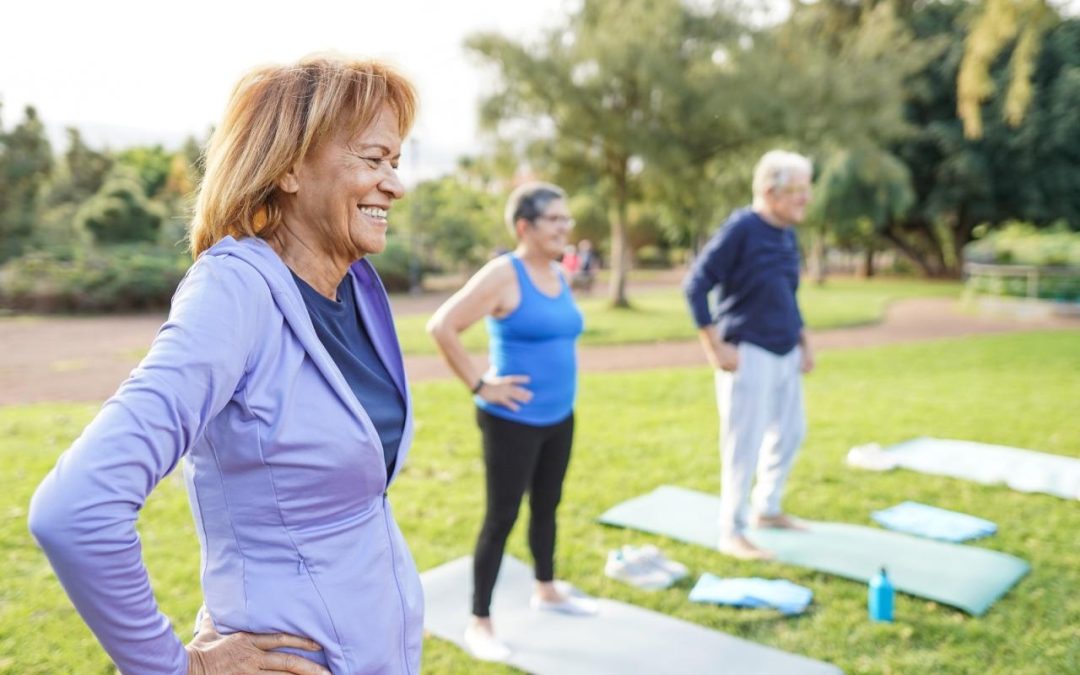
Self-perception is a key reason older women don’t exercise as they should.
‘These workers deserve good jobs, and all U.S. workers need access to quality care. Yet the latter is dependent upon the former.’
Listen as Dr. Karen Moss describes her program Pair 2 Care, how it works and why participants are resonating with it.
Our Hill visit will stress the need to incorporate culturally sensitive options into federal health insurance programs.