
How ableism plays into other identities, and the power of mentorship.
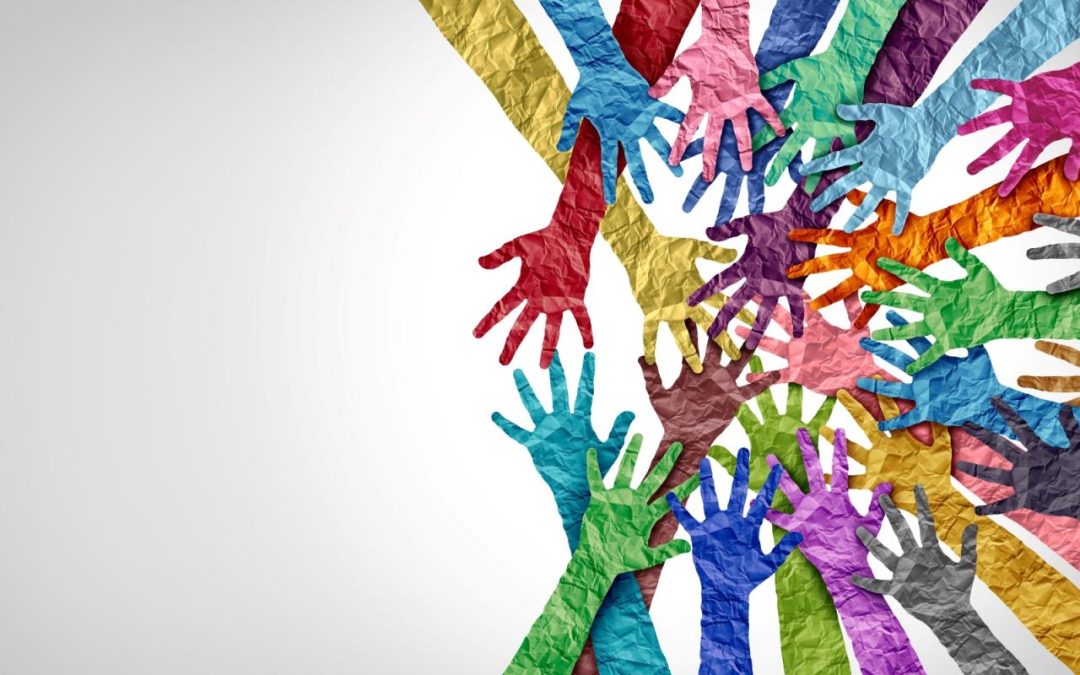
On Disability, Race, and Sexuality
read more
How ableism plays into other identities, and the power of mentorship.
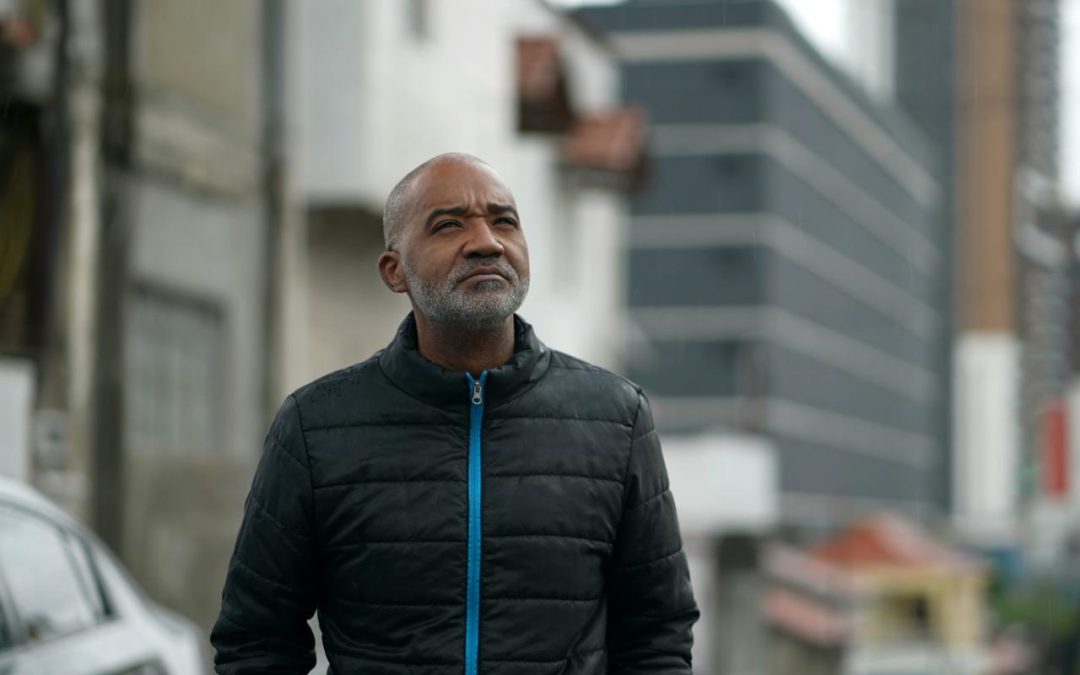
The surest solutions involve government programs and government funding—which may prove difficult with today’s political polarization.

The battle for dignity and realization of civil and human rights is difficult for people with disabilities and older adults, and even harder for those in both groups.

‘Medical gaslighting is harmful. It is hurtful. It can even be deadly.’

An ode to Marie.

Educating, training, and upskilling staff in organizations that work with older adults is a key first step toward helping elders with vision loss.

Thoughts on the dire nature of available elder housing from ASA’s Economic Security Council.

‘Food brings pleasure, and eating is a valuable social activity.’

Well-known travel writer, teacher and mentor lives his ‘be the love’ mantra.

Poor physical health often accompanies vision loss, but connecting to vision rehab services can rebuild confidence and control over one’s daily life.
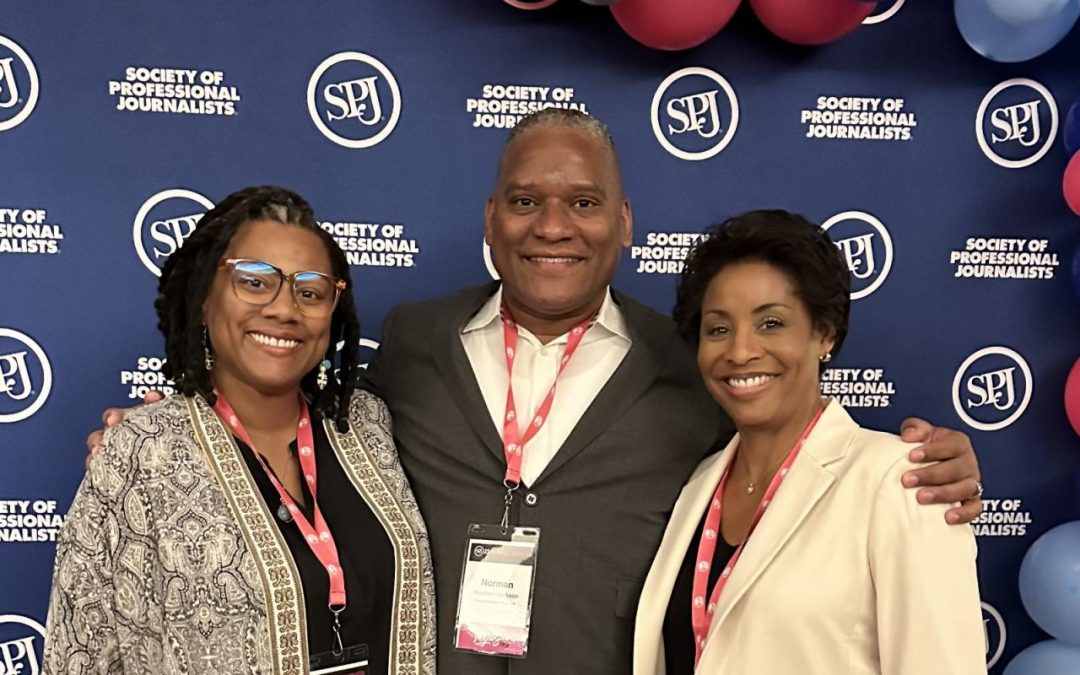
Why engaging journalists matters.

Diabetes Awareness Month is a great time to encourage elders to speak with healthcare providers about programs and experts that can help them better control blood glucose levels.
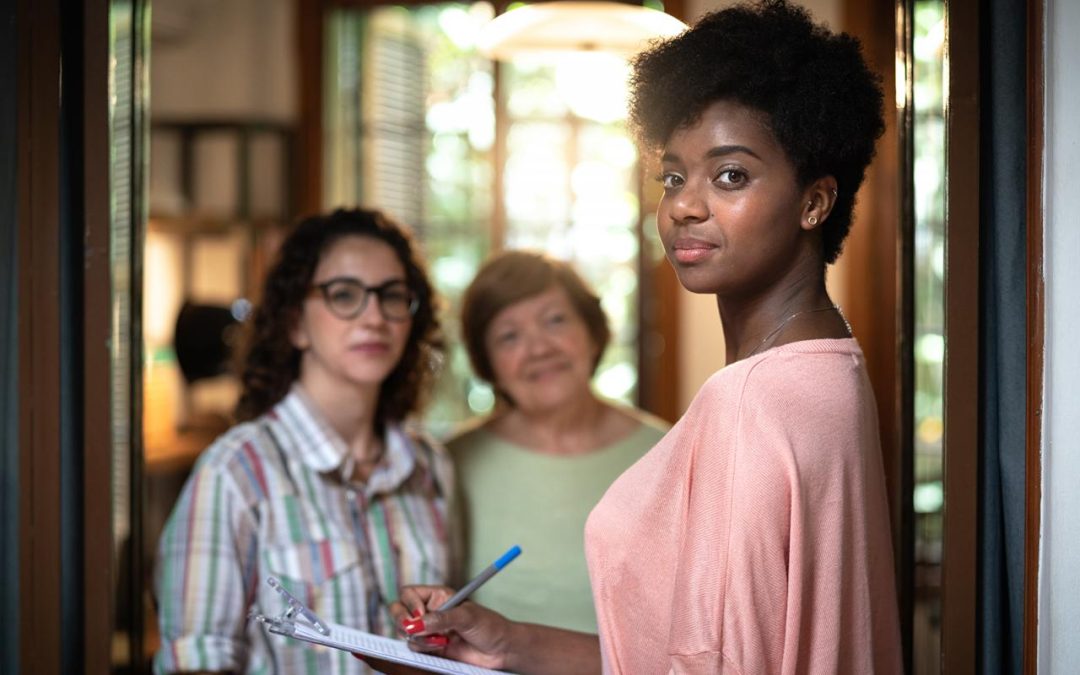
Our new effort aims to address profound needs by centering this caregiver dyad in policy and practice-related conversations.
Cross-sector involvement in such plans requires engaging key components of the LTSS system to address root causes of challenges faced by elders, people with disabilities, caregivers and families.
‘Our nation faces a pressing need for policies that prioritize the nutrition well-being of minority older adults.’

In how many directions might we (ad)venture as we reach the end of life?

Collective reflections and anticipations of emerging scholars in the field of aging.

It is time for academics to advocate using the data they’ve been collecting all these years on LGBTQ aging, especially for Black elders.
Concepts, tools, and challenges to explore, use, and overcome when designing for cognitive as well as physical impairment.
A gerontologist of almost 50 years takes readers through the arc of research and gerontology trends from just before he started to now.