Exploring COVID-19 impacts via equity, diversity, and inclusivity lenses and proposing systemic solutions.

Elucidating Impacts, Navigating the New Normal in a Pandemic
read more
Exploring COVID-19 impacts via equity, diversity, and inclusivity lenses and proposing systemic solutions.
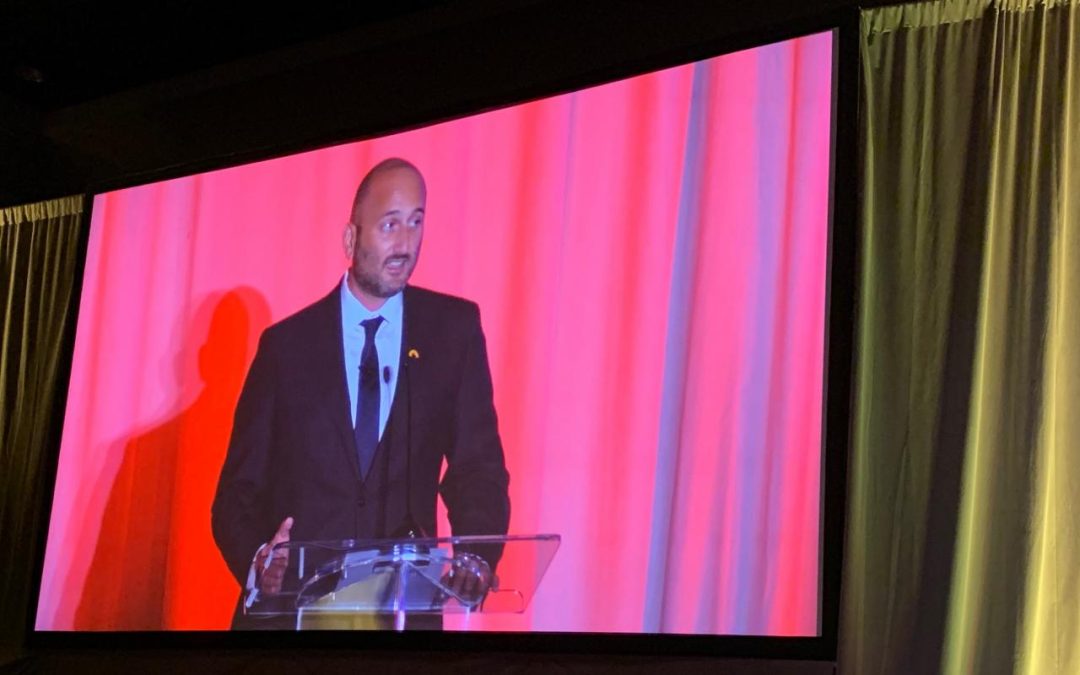
Conference welcomes national influencers, award recipients and new Board Officers and Members
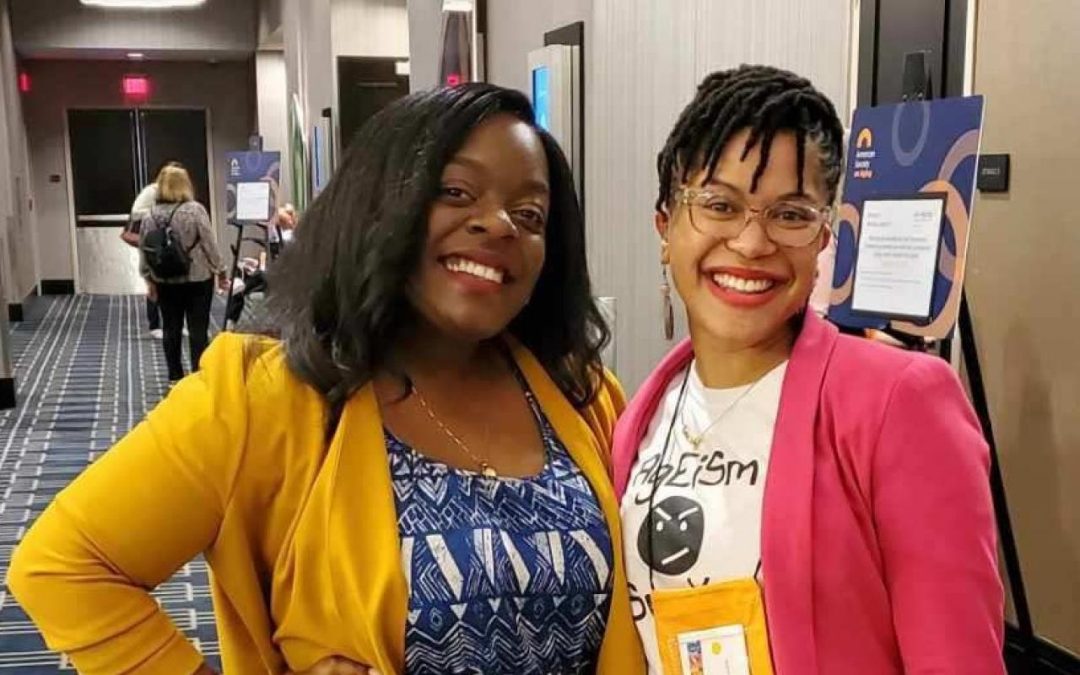
There is so much value in making connections with diverse professionals in the field of aging:

‘The ASA Rise program uniquely augments these efforts.’

We need a U.N. convention on the rights of older people, and we need it now.
Lessons learned from COVID-19.

Between May 2019 and June 2020, comfort in using video conferencing platforms rose from 53% to 64% in people ages 50–80.

New study demonstrates barriers to tech use for many elders.

‘Let’s not be ageist about the OAA!’

How will the OAA’s accomplishments match up to the increasing numbers of elders and lack of caregivers?

Consumers, local providers, state agencies, and federal policymakers all want data about older adults being served.

Why AAAs are busy contracting with community-based organizations, and how it’s paying off.

The Act combines national policy aspiration and ambition in spreading services across America, plus optimism that our country can enable older adults age successfully in place.
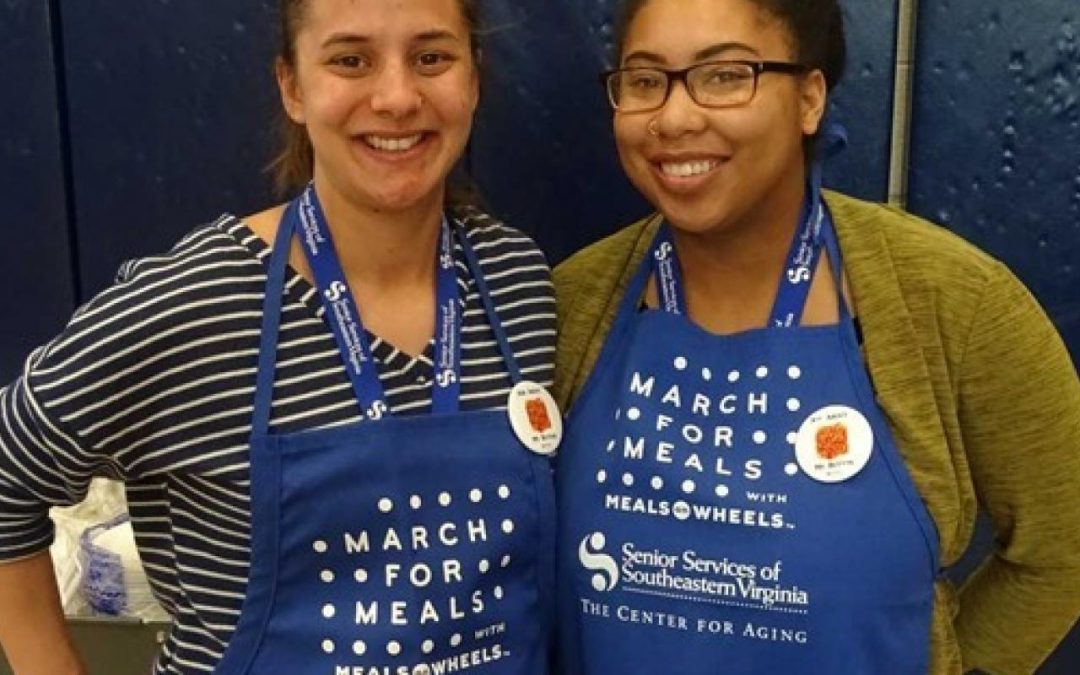
SEVAMP embraced innovation as its guiding principle.

A detailed, personal look at what’s in Title VII, what’s not, and what its funding covers.

‘In 2021, 282 Title VI grantees received more than $80 million in grant funding.’
New resources help state aging directors learn the history of the OAA and how it works.

Elusive historical topic, combined with COVID-19 challenges meant a difficult shepherding of this edition.

Area Agencies on Aging address social determinants of health via healthcare contracting.
The OAA has never gotten the credit that it deserves.